Category: Education

Switching from R-410A to R-454B: A Guide to Refrigerant Safety and Sustainability

As the world intensifies its fight against climate change, industries are urgently seeking sustainable solutions, and the HVAC industry is no exception. There is a rapid shift from harmful greenhouse gases like R-410A to more eco-friendly alternatives, notably R-454B. Navigating this paradigm shift may seem daunting, but we’ve created a comprehensive guide to help you through the complexities of refrigerant safety and sustainability. Read on to discover how this transition can simultaneously cool our homes and our planet—it’s cooler than you think!

Comparing R-410A and R-454B

With the growing demand for sustainable refrigerants, the shift from high-GWP refrigerants like R-410A to lower-GWP alternatives such as R-454B is gaining popularity, especially in residential properties. Understanding the differences between these two types is essential for making an informed decision on the best solution for your needs.

R-410A, a hydrofluorocarbon (HFC) blend of hydrogen, fluorine, and carbon, has been widely used in residential and commercial HVAC applications for over two decades. In contrast, R-454B is classified as an unsaturated HFC, a subcategory of A2L refrigerants, and is marketed under various trade names such as Opteon XL41 and Solstice L41y.

Key Differences and Similarities

The most significant difference between R-410A and R-454B is their Global Warming Potential (GWP). R-410A has a GWP of 2,088, whereas R-454B has a GWP of only 465, making it four times less potent.

PropertyR-410AR-454B
Global Warming Potential2,088465
Ozone Depletion Potential00
Flammability ClassificationNonflammableA2L
Safety ClassificationA1A2L

Both refrigerants have zero Ozone Depletion Potential (ODP), meaning they do not harm the ozone layer. However, R-454B’s A2L safety classification as a mildly flammable refrigerant requires special handling and installation considerations. R-454B functions better with POE oils in compressors, enhancing heat transfer efficiency and reducing mechanical stress due to lower discharge temperatures, leading to less wear and tear compared to R-410A.

Think of R-410A as a car with high fuel consumption, while R-454B is like an electric car with a more sustainable power source. Both serve their purposes well, but the latter has fewer environmental implications.

Environmental Impact

As the global focus on environmental issues sharpens, the HVAC industry is prioritizing sustainable practices. R-454B has been identified as a more environmentally friendly alternative to refrigerants like R-22 and R-410A, which are linked to negative effects on the ozone layer.

RefrigerantGlobal Warming PotentialOzone Depletion Potential
R-221,8100.055
R-410A2,0880
R-454B4660

R-454B significantly reduces GWP compared to options like R-410A, playing a crucial role in improving efficiency while reducing greenhouse gas emissions. However, switching to a new refrigerant involves potential risks during implementation and use, such as leaks or contamination, which necessitate proper selection and management.

Performance and Efficiency Improvements with R-454B

The demand for lower-emissions equipment has led to the development of more efficient cooling systems. R-454B has demonstrated comparable, and in some cases superior, energy efficiency compared to R-410A. Enhanced heat transfer, lower discharge temperature and pressure, and a higher coefficient of performance (COP) make R-454B well-suited for consumer needs while reducing utility bills.

Chemours’ testing revealed significant gains in efficiency levels, with an average 5% energy saving, allowing users to save money and reduce their carbon footprint. Although retrofitting older equipment may not always be feasible, experienced professionals can help identify the best scenarios for replacement or retrofits.

Understanding Dynamic Pressures and Temperatures

When transitioning from R-410A to R-454B, it’s crucial to understand dynamic pressures and temperatures. R-454B can operate at higher temperatures without breaking down into undesirable byproducts, but technicians must ensure that equipment can withstand these new levels when upgrading systems.

Safety and Compatibility: Precautions in the Switch

Switching from R-410A to R-454B involves understanding the specific characteristics and properties of the new refrigerant. Technical components may need adjustment, including solenoids, thermostats, expansion devices, and safety relief valves.

Technicians must ensure all equipment complies with safety standards for flammable refrigerants and follow proper disposal procedures for old refrigerants. Handling and storing R-454B requires sufficient precautions, such as using proper protective gear and ensuring adequate ventilation.

Installation and Reviews of R-454B

R-454B’s installation is straightforward, requiring only minor adjustments for components like oil separators, filter-driers, and compressors. Reviews from technicians who have used R-454B highlight improved energy efficiency and positive feedback on its installation process.

Technicians’ Feedback on R-454B

Technicians report that systems running on R-454B show improved energy efficiency and lower overall installation costs due to minimal retrofitting needs. Proper training and understanding of the hazards involved with flammable refrigerants ensure safety without compromising sustainability.

By adhering to these guidelines and procedures, the transition to R-454B can be seamless, leading to more sustainable and efficient cooling systems that benefit both the environment and consumers.

Additional Resources

Additional resources are available from Us and Trane. 

New Refrigerants are Coming – What You Need to Know

Understanding R-454B Refrigerant

R-22

R-410A

Global Warming Potential (GWP)

New Refrigerants are Coming – What You Need to Know

The HVAC industry is transitioning to new refrigerants as required by the American Innovation and Manufacturing Act of 2020. This legislation gradually phases out existing refrigerant classes and introduces new requirements for those used in air conditioners and heat pumps. The new refrigerants have a lower global warming potential than the current ones.

As part of this transition, the U.S. Environmental Protection Agency (EPA) has set specific dates for new equipment to use the new refrigerants, commonly referred to as A2Ls. Residential and light commercial air conditioners and heat pumps manufactured after January 1, 2025, must use these new refrigerants. Equipment produced before this date has a one-year grace period to be installed, with a final installation deadline of January 1, 2026.

For products not requiring field assembly, like window air conditioning units, the final sale date is set for three years after the manufacturing compliance date, making the deadline January 1, 2028, without a compliance date for installation. The EPA is also considering a one-year extension for Variable Refrigerant Flow (VRF) systems with capacities of 65,000 BTU/h (19 kW) or more.

Existing air conditioning and heat pump equipment is not subject to these new regulations and can continue to be used until the end of their lifecycle. Components used for servicing and repair are also exempt from these regulations. The supply of refrigerants like R-410A and R-134a for servicing needs will remain available even as production and imports decline over the next decade, similar to previous refrigerant transitions in the 1990s and early 2000s.

Differences with A2Ls

All refrigerants are classified by toxicity and flammability. A2L refrigerants retain the non-toxic classification of their predecessor (R-410A) but have been reclassified to Class 2L for lower flammability, compared to Class 1 (no flame propagation) for R-410A. This requires redesigning HVAC equipment, and it is crucial for home builders to plan for this transition, engage with suppliers and installers, and ensure an adequate supply of equipment to avoid bottlenecks and delays.

To address the increased flammability, equipment manufacturers are adding safety features, revising transportation and handling procedures, and updating installation instructions. Key mitigation measures include:

  1. Enhancing refrigerant line testing and requiring specific joint types and nail plates at framing members.
  2. Controlling refrigerant concentration in buildings to stay below flammability limits.

Manufacturers may also install leak detection sensors in air handlers, activate main fans to reduce refrigerant concentration, and use shut-off valves to limit refrigerant leaks. Systems without leak detection sensors will require careful sizing of refrigerant quantities to ensure safety.

Additional documentation requirements include permanent labels on equipment indicating the installer and refrigerant weight. The primary A2L refrigerants expected in the market are R-32 and R-454B, with each equipment manufacturer specifying their use.

Multifamily Buildings

For multifamily buildings, where refrigerant lines penetrate fire-rated floor assemblies, building codes may require refrigerant lines to be placed in fire-rated shafts or other fire safety measures. Developers should coordinate designs with their MEP firms, as shaft requirements can impact plan layouts and architectural designs.

Centrally Ducted Systems vs. Mini Splits

Different mitigation strategies will be specified for centrally ducted systems versus mini splits. Builders should consult their vendors and follow installation instructions to ensure all required safety measures are implemented to prevent exceeding refrigerant concentration limits in case of a leak.

Design Software

Software programs for sizing equipment and energy modeling should use updated specifications for new equipment with A2L refrigerants.

Actions for Home Builders

Home builders should have a transition plan that includes:

  • Coordinating a switch-over timeline with vendors and installers.
  • Ensuring a sufficient supply of existing equipment before the switch-over and new equipment afterward.
  • Collaborating with mechanical system designers (for multifamily buildings, evaluate the need for fire-rated shafts).
  • Ensuring HVAC contractors are knowledgeable about new installation requirements and safety measures.
  • Making sure installation instructions are available from manufacturers for specific units.
  • Coordinating among all parties involved and establishing a feedback loop.

Building Code Updates

Information about building code status regarding A2L refrigerants in each state can be found using the interactive map from the Air-Conditioning, Heating, and Refrigeration Institute (AHRI).

Additional Resources

Additional resources are available from Us and Trane.

Understanding R-454B Refrigerant

Switching from R-410A to R-454B: A Guide to Refrigerant Safety and Sustainability

R-22

R-410A

Global Warming Potential (GWP)

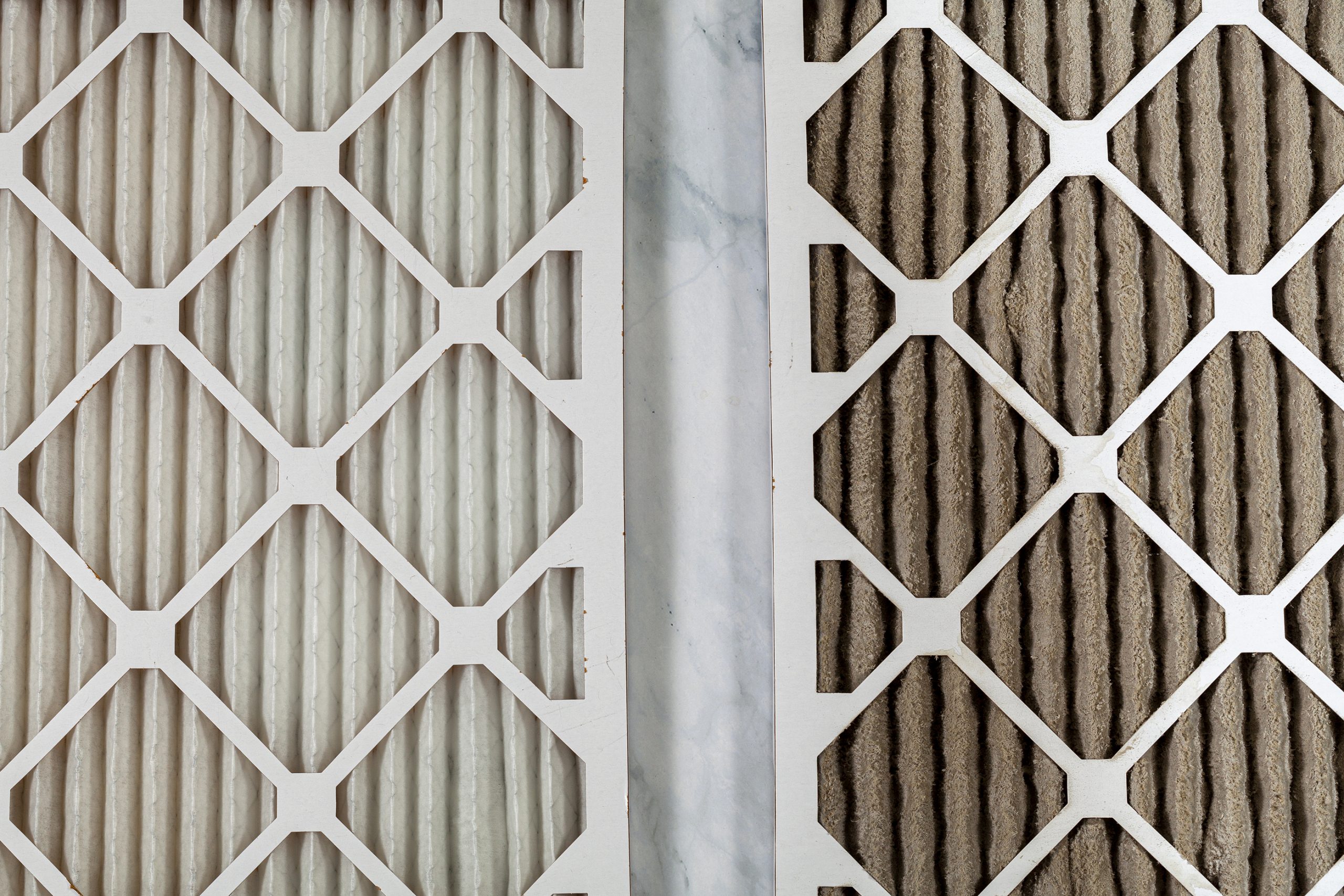
Air Filters – the Good, the Bad, & the Ugly

A major issue, costly repair expenses that no one wants! Air filters are designed to help keep the air that comes into your house clean. The air filter(s) also help to improve your unit(s) energy efficiency.

When the filter is not changed regularly, many issues can arise. Air Conditioning unit(s) cycle, which allows the temperature in your house to be maintained. When you have a dirty or clogged filter, it can make the unit short cycle, causing wasted energy and unnecessary temperature changes resulting in an uncomfortable feeling.

A clean air filter allows air to flow freely, while a dirty one restricts the air flow causing build up inside the unit lowering the internal temperature. With enough time, the cold air can cause ice to form on the coils resulting in the unit not working properly or at all. Even if your unit does not freeze, the restricted air flow is not good for your unit. Dirty air filter(s) can also cause uneven cooling, which is not ideal as it can cause a lower level of comfort at a higher cost. Allergen build up is another major reason that you will want to ensure regular changing of your filter(s). When you have a dirty filter(s), you have a forced-air system running. This causes allergens to be released into the air you are breathing.

A good filter will stop dust, dirt, and allergens from building up on the unit’s internal components. A bad filter can cause additional wear and tear on your unit, which in turn may cause costly repair expenses. Your unit will last longer when you take proper care of it by maintaining it, using the proper filter(s), as well as changing your filter(s) regularly.

Ary Co AC & Heat offers maintenance for your unit, filter changing services, and individual sell of pleated filters. Please call out office and we will be happy to assist you 940-627-5882.